When buying a Colorado home on a septic system: (1) Always require an independent inspection by a NAWT-certified technician (standard home inspections do not cover tanks or drain fields), (2) Verify the system's permitted bedroom capacity matches the actual home (adding unpermitted bedrooms can legally void the Use-Permit), and (3) Confirm county-specific closing requirements (such as Boulder County’s Property Transfer Certificate or Jefferson County’s JCPH Acceptance).
Purchasing a home with an On-Site Wastewater Treatment System (OWTS) is common across Front Range rural acreage, equestrian subdivisions, and mountain foothills. While private systems eliminate monthly municipal sewer bills, they place 100% of the maintenance and repair liability on the property owner.
Because replacing a failed septic system in Colorado can cost anywhere from $15,000 to $40,000+ depending on terrain and soil percolation, performing thorough due diligence before closing is essential.
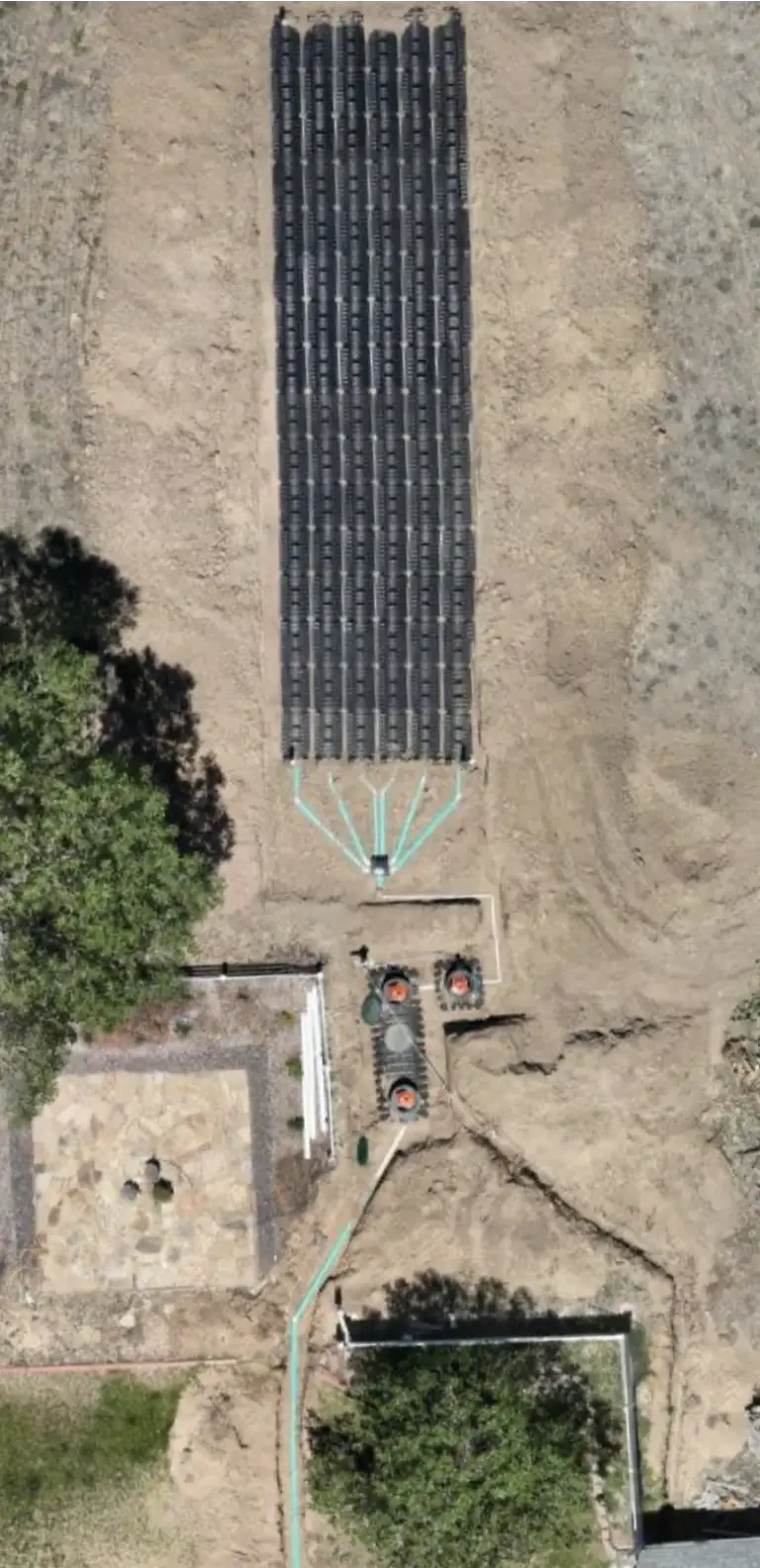
Video sewer scope inspection verifying pipe integrity and baffle condition prior to real estate closing.
1. County-Specific Property Transfer Regulations
Most Front Range counties mandate a formal Time-of-Sale NAWT inspection before title transfer can legally occur:
- Boulder County: Requires a certified SepticSmart inspection to issue a Property Transfer Certificate. The county health department reviews all reports directly.
- Jefferson County: Administered via Jefferson County Public Health (JCPH), requiring an official Property Transfer Acceptance document.
- Weld, Larimer, Adams & Arapahoe Counties: Require transfer inspections performed strictly by an inspector holding valid certification from the National Association of Wastewater Technicians (NAWT).
2. The "Bedroom Capacity" Trap
Septic systems in Colorado are sized based on the number of bedrooms in a home, not the number of bathrooms. Each bedroom represents an assumed daily wastewater volume of 75 to 150 gallons.
A common issue occurs when previous owners finish basements or add rooms without updating the septic permit. If a home is marketed as a 4-bedroom house but the county permit is only sized for a 2-bedroom system, the system is legally undersized and vulnerable to premature drain field failure. Always cross-reference the county permit record against the real estate listing.
3. 4 Red Flags to Look for During Due Diligence
1. Sinking Lids or Visible Concrete Deterioration
Hydrogen sulfide gas corrodes concrete tank lids over time. A sagging lid is a major safety and cave-in hazard. Review our tank replacement services.
2. Oversaturated or Mushy Soil Over Lateral Lines
Standing water or black slime above absorption trenches indicates bio-mat sealing or collapsed lines. Read our guide on squishy grass over leach fields.
3. Lack of Pumping History
If the seller cannot provide receipts showing tank pump-outs every 3 to 5 years, solid sludge may have washed into the drain field.
4. Missing Effluent Filter or Riser Ports
Older systems buried without access risers require costly manual digging each time maintenance or inspections are needed.
Frequently Asked Questions
Does a standard general home inspection cover the septic system?
No. General home inspectors only verify that indoor plumbing fixtures drain. They do not uncover tank lids, test structural integrity, inspect baffles, measure sludge levels, or evaluate drain field absorption. You need a dedicated inspection by a certified NAWT technician.
What happens if a septic system fails inspection during a home purchase?
In Colorado, sales can often still close using a Conditional Property Transfer. The buyer and seller negotiate repair or replacement escrows, and the buyer agrees to bring the system up to county code within 365 days of closing.

Need a Real Estate Inspection Before Closing?
Austin Bitz conducts official NAWT use-permit evaluations across Weld, Boulder, Larimer, Adams, Arapahoe, and Jefferson Counties. Call 720-883-3390 or visit our inspection scheduling page.